Table of contents
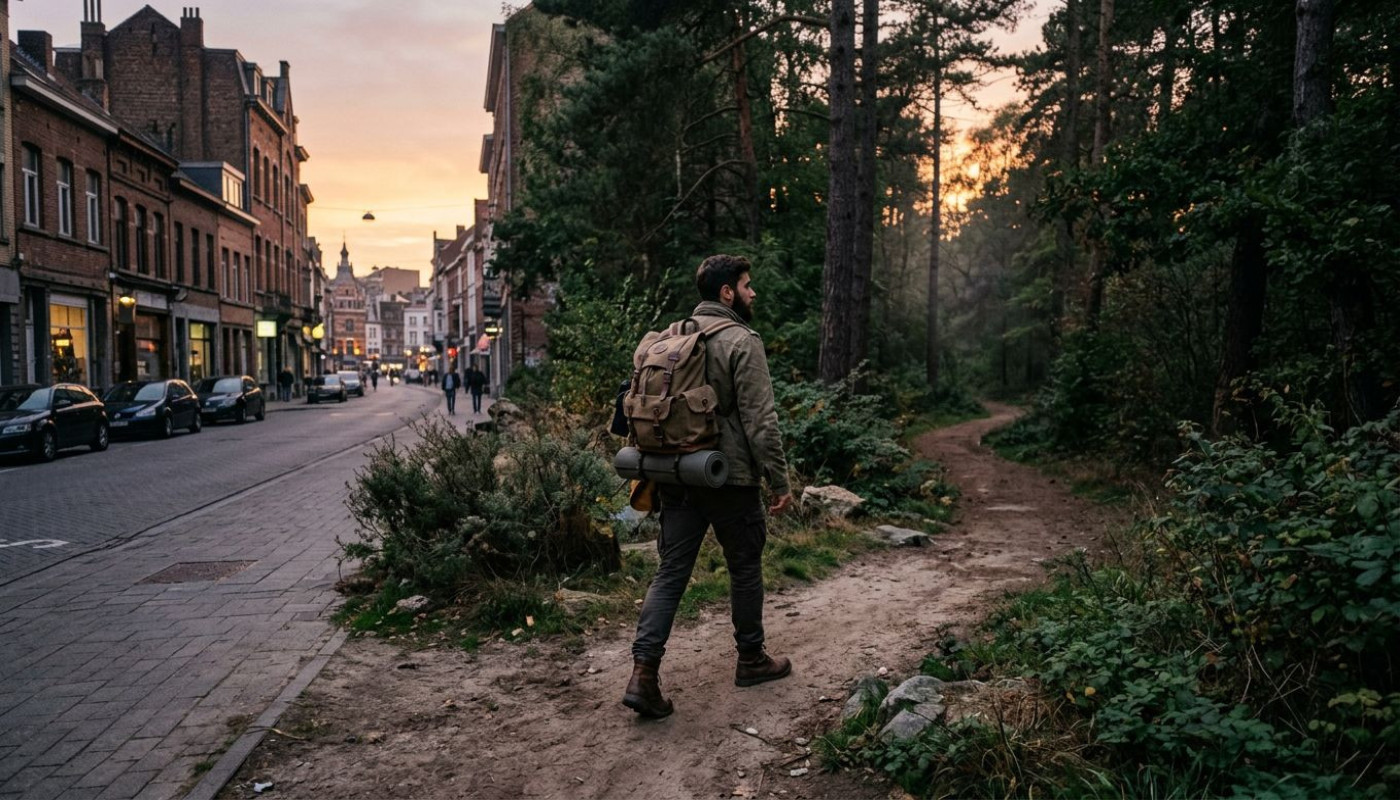
Sidewalks no longer mark the end of the journey. Across major cities, weekend plans are increasingly built around quick escapes, where a tram ride or short drive becomes the gateway to forests, dunes, and river paths, and where “urban” now means being able to pivot from espresso to mud on your shoes in under an hour. This shift is visible in transport data, tourism strategies, and the booming market for gear that performs in both settings, and it is reshaping how people move, spend, and even rest.
Commuters are turning into weekend wanderers
Who decided the city should be a cage? The last decade has quietly rewritten the rules of proximity, and the pandemic years accelerated it, with remote and hybrid work compressing the traditional workweek and expanding the practical definition of “nearby.” In the UK, Office for National Statistics tracking has repeatedly shown a sustained share of people working from home at least part of the week compared with pre-2020 patterns, and that structural change matters because it frees up time blocks large enough to justify a half-day hike or an early train to a trailhead. The outcome is visible in mobility choices: rail and regional transport operators across Europe have marketed “day-out” and leisure routes more aggressively, while cities have pushed cycling networks that double as recreational corridors, not just commuting arteries.
Tourism agencies have also adapted their language and their data collection, because the old binary between “city break” and “nature holiday” no longer captures reality. Eurostat figures show that domestic tourism nights in the EU surged in the immediate post-lockdown period, and while international travel returned, the appetite for closer-to-home trips did not vanish, it simply settled into a new equilibrium. This is where urban excursions come in: short, repeatable, and flexible trips that can be booked late, cancelled easily, and executed with minimal friction. The rise of these micro-adventures is not only cultural; it is economic, feeding a market for guided experiences, bike rentals, waterproof layers, and rail-linked hospitality, and it is also environmental, because shorter distances can reduce emissions, even if the net effect depends on transport mode and frequency.
Gear, apps, and cafés now share one script
Look around: performance has become a style. What used to be “outdoor gear” is now part of everyday urban uniform, and brands have responded by designing for overlap, with lighter shells, packable layers, and shoes that can handle cobblestones and gravel without screaming “mountaineering.” Industry numbers underline the scale of the shift: the global outdoor apparel and equipment market has been valued in the hundreds of billions of dollars in recent analyses, and athleisure has remained one of the strongest categories in fashion retail, precisely because consumers keep buying clothing that works across contexts. In plain terms, the wardrobe has been optimized for spontaneity, and the city has become the staging ground, not the destination.
Technology is the other half of this script. Route-planning apps, heat maps, live transit updates, and community trail reviews have made the outdoors legible in the same way cities became searchable, with ratings, photos, and “best times to go” suggestions. Yet the real change is not that people can find paths; it is that they can predict the whole day, from the first train to the last café. That predictability lowers the psychological barrier to leaving town, especially for newcomers, solo travellers, and families managing tight schedules. In places with dense transit and water-rich landscapes, local operators have leaned into this blend of planning and pleasure, offering experiences that start in a central neighbourhood and end in a landscape that feels remote while still being close enough for a late dinner reservation. For readers mapping options and looking for a practical starting point, https://www.amsterdam-spirit.com/ sits naturally within this new ecosystem of city-to-trail itineraries.
Cities are redesigning edges, not just centres
The frontier is no longer a city limit sign. Urban planning has increasingly focused on what happens at the edges, where housing, industrial zones, canals, and fragmented green spaces can either form barriers or become connectors. Concepts like “15-minute cities” have been debated and sometimes politicised, yet the underlying idea is simple: if daily needs and leisure are closer, people can shift away from cars, and cities can relieve pressure on crowded cores. Paris expanded its cycling lanes at speed after 2020 and has continued investing, London has kept pushing active travel despite funding disputes, and Amsterdam remains an emblem of cycling culture, but the broader point is European-wide: active mobility infrastructure is now built with leisure in mind, and leisure routes feed back into commuting networks.
On the nature side, protected areas and regional parks have also had to rethink access, because popularity brings erosion, litter, and conflict between users. Authorities from the Alps to coastal dunes have introduced visitor caps, timed entry, and stricter zoning, while also improving signage and public transport links to reduce car dependence. The tension is real: the same ease that lets a resident escape for three hours can also overwhelm fragile habitats. That is why “urban excursions” are increasingly managed experiences, not just spontaneous wanderings, with clearer rules, better-maintained paths, and more visible enforcement. When it works, it offers a win-win: cities gain healthier residents and diversified tourism, and landscapes gain funding and stewardship, provided the model prioritises capacity and conservation rather than pure volume.
Local economies follow the new routes
Money moves where people move. The economics of short escapes favour small operators, independent cafés, bike repair shops, ferries, guides, and boutique accommodation close to trail networks, because the visitor does not need a full holiday budget, they need a frictionless day or a single night. This has been a lifeline for some peri-urban communities that sit just outside major cities, especially where traditional seasonal tourism is volatile. Meanwhile, cities themselves have discovered that dispersing visitors can reduce overtourism pressure in historic centres, a point repeatedly raised in policy discussions in destinations like Amsterdam, Barcelona, and Venice, where officials have tried to shift demand away from the most saturated streets.
The labour and pricing dynamics are also changing. Shorter trips mean higher turnover, more last-minute bookings, and a premium on flexibility, which can push prices up on peak weekends while leaving weekdays quieter, a pattern familiar in transport and hospitality revenue management. At the same time, the consumer expects clarity: what does the experience include, how long does it really take door to door, is there a weather plan, and can you get back without sprinting for the last train? Operators that answer these questions win trust, because the modern urban excursionist is less interested in heroic endurance and more interested in reliable joy. The most successful experiences treat the city as part of the itinerary, not as something to “escape,” and that framing helps turn one-off visitors into repeat customers who rotate through neighbourhoods, routes, and seasons.
Planning your next escape
Book early for peak weekends, and keep a flexible backup date for bad weather. Budget for transport, food, and a small gear upgrade; even a light rain shell changes the day. Check local discount cards and regional passes, because cities often bundle museums, transit, and day trips. If you want guided options, compare inclusions carefully, and confirm return times before paying.
Similar
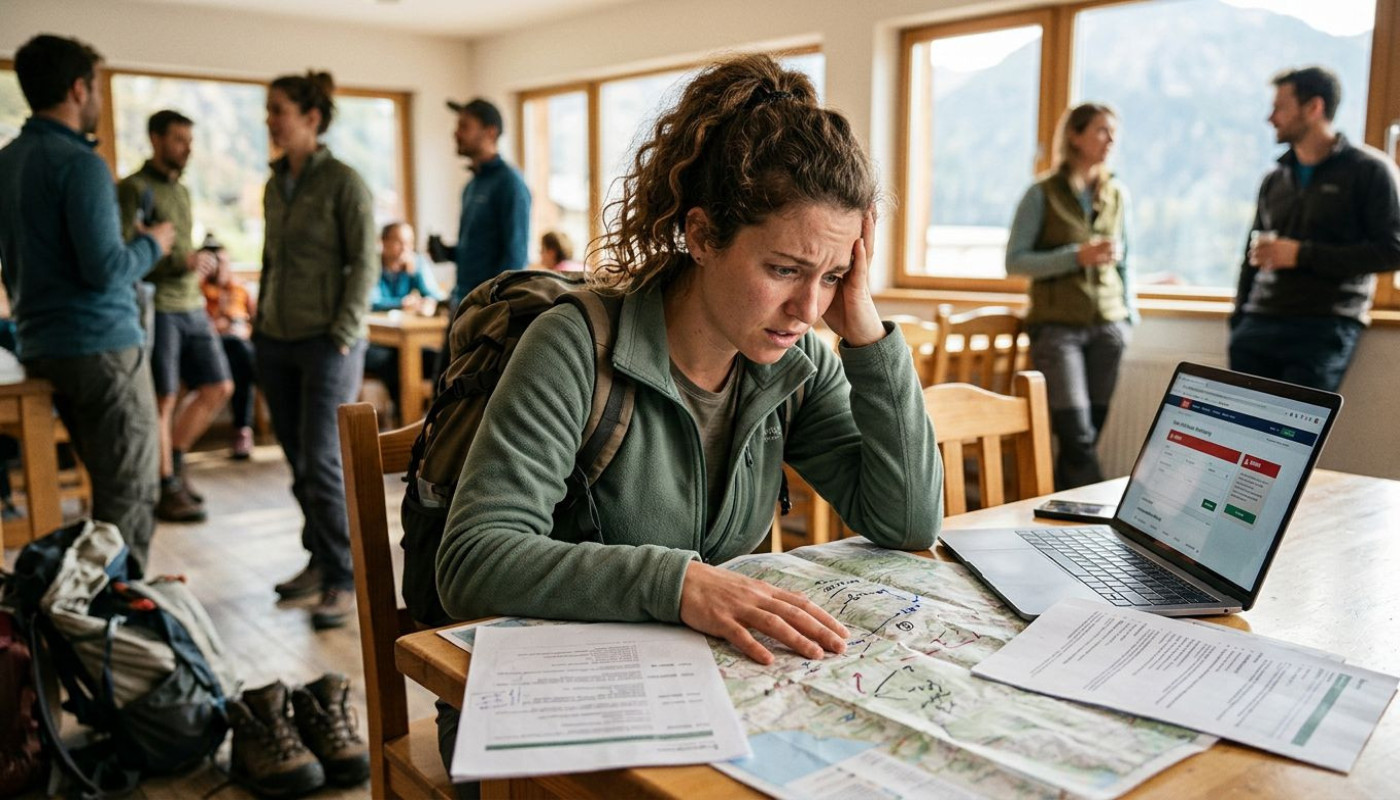
Surprising Mistakes Travelers Make When Planning Active Adventures

Missing Out Or Diving In? How Unique Tickets Unlock Authentic Travel
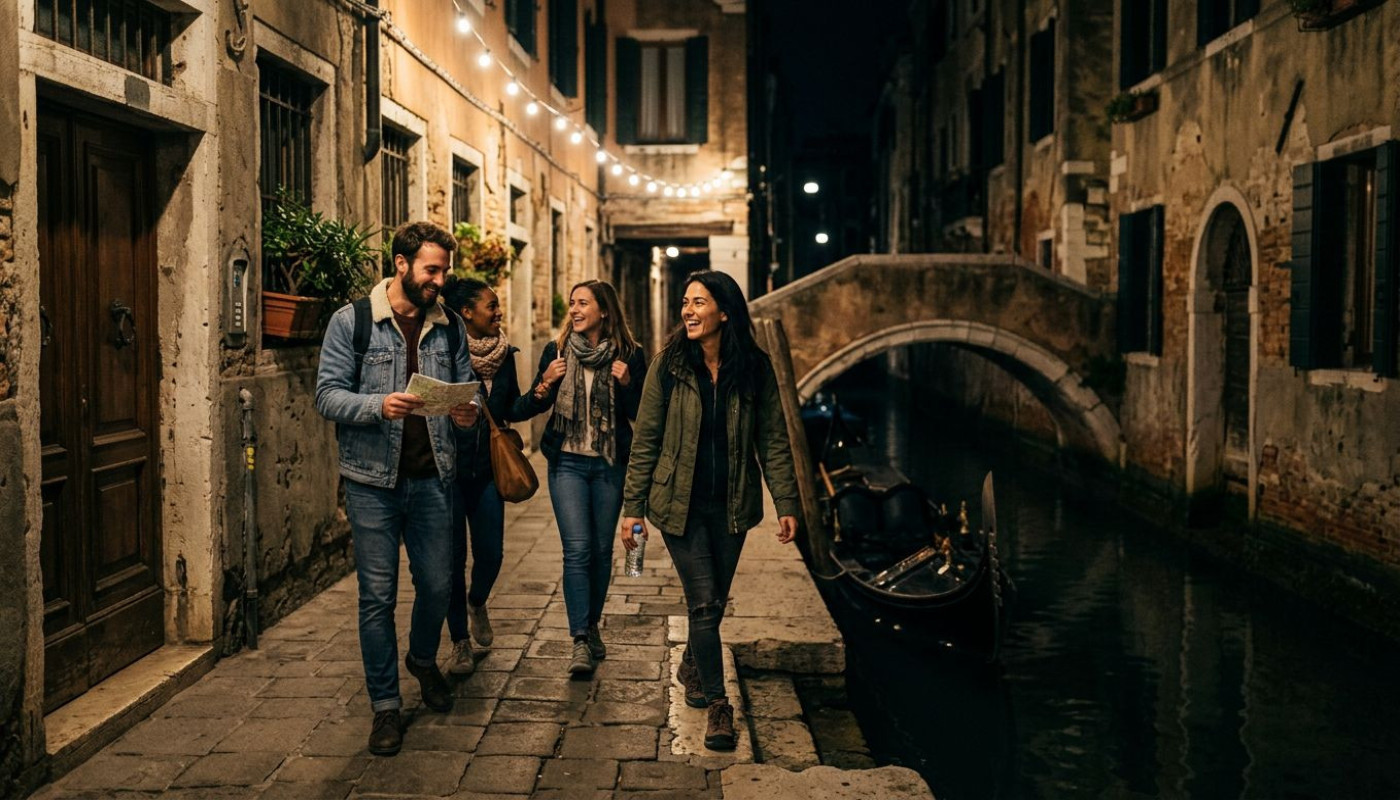
Night Adventures: Unconventional Activities Hidden In Popular Tourist Hotspots
What Seasoned Travelers Wish They Knew Before Their First Solo Trip
Are Spontaneous Detours The Secret To Unforgettable Itineraries?