Table of contents
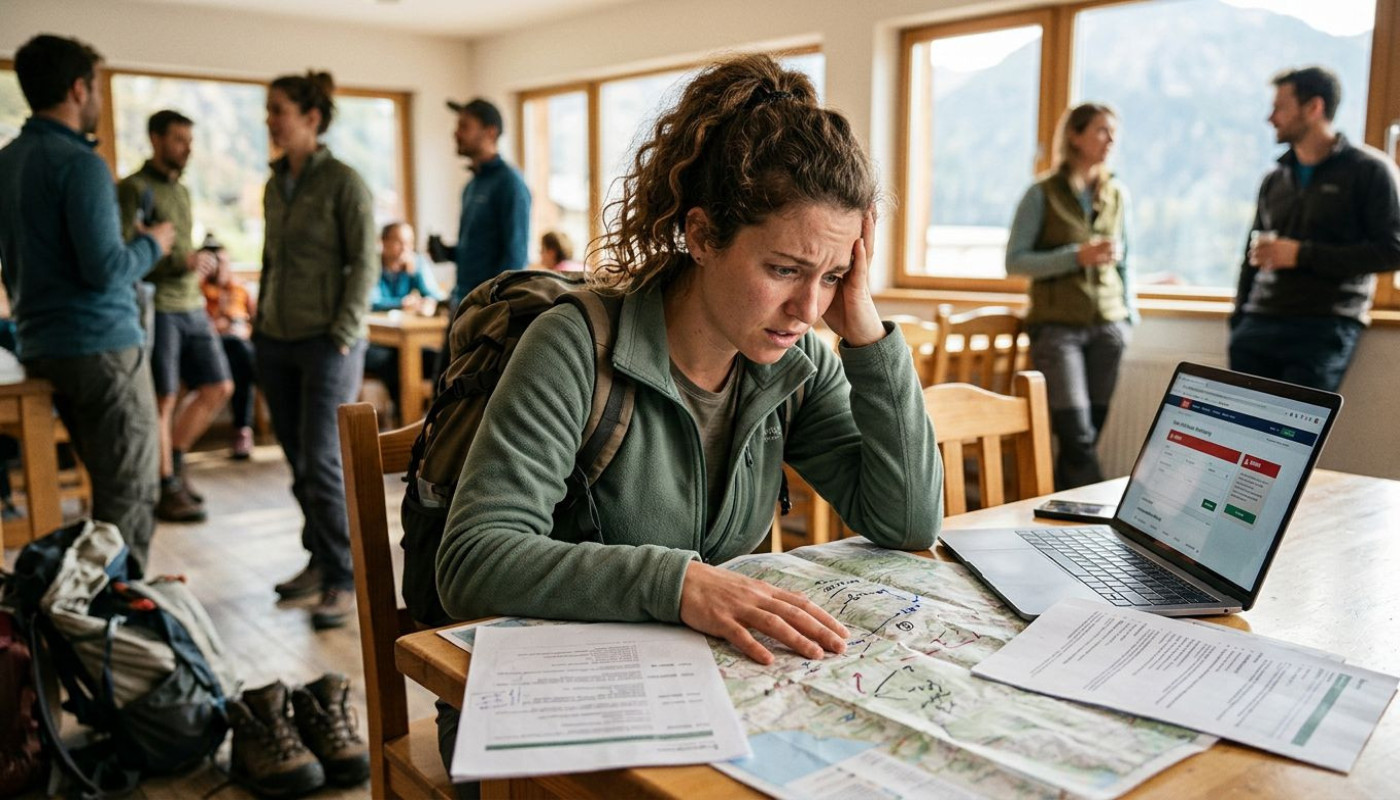
Planning an active trip looks deceptively simple, book a few tours, pack the “right” shoes, and assume fitness and enthusiasm will do the rest. Yet rescue services, insurers, and guides across Europe keep repeating the same message: most mishaps start long before anyone steps onto a trail. From unrealistic itineraries to misunderstood weather and quiet paperwork traps, the most common planning errors are also the easiest to miss, until they become expensive, painful, or both.
They chase distance, then forget recovery
“We can do three hikes a day.” It sounds bold, and it photographs well, but it is also the fastest route to an exhausted trip where every decision deteriorates. In mountain regions and coastal ranges alike, the real limiter is rarely motivation, it is accumulated fatigue, dehydration, and the slow loss of attention that follows, which is precisely when sprains and navigation mistakes occur. Search-and-rescue briefings in several European countries routinely highlight the same pattern: people get into trouble late in the day, after they have “almost finished,” and after they have already overextended themselves earlier in the itinerary.
Active travel planning often treats each day as a standalone achievement, yet the body tallies everything. Elevation gain matters more than headline kilometres, technical ground multiplies effort, and heat turns moderate walking into an endurance event. A reasonable day on a map can become punishing once you add a heavy daypack, a bus connection, and a late check-in. A more realistic approach starts with one “anchor” objective per day, then builds optional extensions around it, so the schedule can shrink without collapsing. Recovery is not an indulgence; it is the mechanism that keeps the next day safe, and it is why experienced guides insist on buffer time, earlier starts, and at least one lighter day for every two demanding ones on multi-day trips.
The mistake is not ambition, it is ignoring compounding costs. Tight itineraries also remove the chance to adapt when conditions change, whether that means a trail closure, a sudden heatwave, or a ferry cancellation. Travelers who leave space can switch routes, stop for water, and still finish before darkness. Those who do not end up “pushing through,” and that phrase, in the outdoors, often precedes the call for help.
They trust apps, not local conditions
Maps are brilliant, until they quietly encourage overconfidence. Navigation apps have made route-finding easier, but they can also blur the gap between a popular path and a serious outing, especially in places where signage varies and where erosion, storms, or seasonal maintenance change the ground year by year. A GPX line on a screen does not show loose rock, recent landslides, overgrown sections, or the reality that a “short” climb can be brutally steep. Many travelers also assume mobile coverage will follow them into valleys and behind ridgelines; it often does not, and battery drain accelerates when phones constantly search for signal.
Weather, meanwhile, is frequently treated as a background detail rather than the main character. Mountain meteorology can flip quickly, and coastal microclimates can produce strong winds or sudden thunderstorms that make exposed ridges dangerous. The planning error is checking a general forecast once, then never revisiting it, or relying on a city prediction for a high-altitude route. Active travelers should be looking for locally specific forecasts, understanding when thunderstorms typically build, and treating wind speed and heat index as seriously as rainfall. If you cannot explain what you will do if the forecast worsens, the plan is incomplete.
Local knowledge fills the gaps that technology cannot. Trail associations, park authorities, and reputable operators publish updates about closures, water availability, and fire restrictions, and those details shape what is safe on a given week. For travelers heading to the Adriatic and the Dinaric Alps, where coastal heat can be intense and inland terrain can be rugged, resources such as https://www.croatia-spirit.com/ can help align expectations with on-the-ground realities, from seasonal considerations to route ideas that match different fitness levels. The point is not to abandon apps, it is to treat them as one input among several, and to plan as if conditions, not pixels, decide the difficulty.
They pack for style, not terrain
“I’ll just wear trainers.” That casual sentence has ruined countless days. Footwear is the most visible version of a deeper issue: packing lists that prioritize versatility, aesthetics, or airline convenience over terrain-specific needs. On rocky paths, slick limestone, or muddy forest tracks, inadequate grip and ankle support increase the risk of slips, and the consequences can be immediate. Even when an injury does not occur, poor gear makes people move slower, tire faster, and compensate with awkward steps that trigger blisters, knee pain, and strains.
Clothing miscalculations are just as common. Travelers often pack for the temperature at breakfast, not for the exposed ridge at midday or the cool descent at dusk. Layering is not about bulk; it is about control, so you can regulate heat without soaking yourself in sweat, then chilling later when the wind picks up. The same logic applies to rain protection: a compact shell that actually keeps water out matters far more than a fashionable jacket that wets through in 20 minutes. On active trips, staying dry is not comfort, it is safety, because damp clothing accelerates heat loss and reduces dexterity, which matters when you need to handle poles, zips, or a phone in bad conditions.
Then there is the “small stuff” people forget, which is often what saves a day. Sunscreen and a hat are essential on bright coastal routes, as is carrying more water than you think you need, because fountains and shops do not appear on demand. A basic first-aid kit, blister care, and a lightweight headlamp are not dramatic purchases, yet they are the tools that prevent minor problems from escalating, especially if you finish later than expected. Travelers also underestimate how heavy a daypack feels after several hours; packing smarter means trimming non-essentials, choosing calorie-dense snacks, and bringing electrolytes in hot weather to reduce cramping and headaches.
They miss the quiet paperwork traps
Paperwork does not feel like adventure, but it is often what determines whether a bad day stays manageable. One of the most common errors is assuming standard travel insurance covers “everything,” then discovering exclusions for activities, altitude, equipment, or off-piste routes. Policies can differ sharply on what counts as hiking versus mountaineering, or cycling versus “competitive” riding, and many require proof that you followed local rules. If you plan a trip with strenuous days, remote areas, or water sports, reading the definitions and the small print is not paranoia, it is basic risk management.
Transport and timing create their own traps. Travelers frequently build itineraries that rely on last connections, tight ferry windows, or a single daily bus, then discover that services run differently on weekends, in shoulder seasons, or during local holidays. Active days amplify the risk, because you arrive sweaty, tired, and less patient for surprises. The safest plan treats travel days as lighter days, avoids last departures when possible, and bakes in redundancy: an earlier bus, a backup route, a flexible dinner reservation. Even accommodation choices matter; staying closer to trailheads can reduce dawn commutes, while a well-placed base can cut down on daily logistics and leave more energy for the actual activity.
Permits and rules are another underestimated category, especially in protected areas. Some parks restrict access during high fire risk, some routes require advance booking or guided entry, and drones, camping, and open flames can be tightly controlled. Ignoring these details is not only risky, it can end with fines, forced reroutes, or confrontations with rangers. The strongest active itineraries treat compliance as part of the experience: you learn the place, you respect it, and you reduce the chance that your plan collapses at the trailhead. In practice, that means checking official park pages, confirming seasonal restrictions, and keeping digital and offline copies of key documents, from bookings to emergency contacts.
Your next move: plan, then leave space
Build the trip around one priority each day, then add options you can drop without regret, and confirm forecasts, transport schedules, and activity coverage before you go. Budget for the right footwear, layers, and a small safety kit, and consider booking early in peak weeks, when guides and permits can sell out fast. If local or national schemes offer park passes or transit discounts, use them.
Similar

Missing Out Or Diving In? How Unique Tickets Unlock Authentic Travel

Night Adventures: Unconventional Activities Hidden In Popular Tourist Hotspots

What Seasoned Travelers Wish They Knew Before Their First Solo Trip
From City Streets To Wild Trails: Decoding The New Face Of Urban Excursions
Are Spontaneous Detours The Secret To Unforgettable Itineraries?